

 AU & NZ
 SG
SG
 MY
MY
 US
US
 IE
IE
 PeopleXD
Stand-Alone vs Integrated HR Software: Which Is Best for Your Business?
Managing HR and payroll across multiple systems might seem manageable at first, but for large organisations, it quickly becomes costly, time-consuming, and prone to errors. Disconnected platforms lead to duplicated data entry, compliance headaches, and inefficiencies that grow with every new hire and regulatory change.
Integrated HR and payroll systems solve these challenges by creating a single source of truth, improving accuracy, compliance, and scalability. In this guide, we’ll explain what integrated HR systems are, why they matter for large businesses, and how they compare to stand-alone solutions.

In this article we will explore the following areas:
- What is an integrated HR and payroll system?
- What does integration actually mean?
- Why integration matters for larger organisations
- What are the key benefits of an integrated HR system?
- Stand-alone vs integrated: Which is right for you?
- How to choose the right integrated HR and payroll system?
- Ready to transform your HR and payroll processes?
What is an integrated HR and payroll system?
An integrated HR and payroll system combines core HR functions, such as employee records, absence tracking, and workforce management, with payroll and finance in one platform.
Unlike stand-alone HR systems, which operate in isolation, integrated solutions share data in real time across departments. This means updates to employee details automatically flow into payroll, compliance checks run in the background, and reporting becomes faster and more accurate.
Core features include:
- Centralised database for all employee data
- Real-time data sharing between HR, payroll, and finance
- Built-in compliance tools for UK employment and payroll regulations
Fragmented HR systems often leave teams bogged down in admin instead of focusing on people. As Oli Quayle, AI Evangelist at The Access Group, put it:
“I’m spending too much time on the tech, not enough time with my people. Frankenstack was a great intention—it was the right thing to do to get the depth—but you’re not leveraging that depth if you’re spending all your time servicing the integration between those two points. The promise didn’t quite live up. You think, ‘I’ll take product A and product B and integrate them and of course this will flow from here to here.’ But what’s happening now is customers are saying, ‘I’m spending too much time on the tech, not enough time with my people.”
Mastering the Employee Lifecycle, part of our Do the Best Work of Your Life series
What does integration actually mean?
An integrated HR and payroll system creates one source of truth for all your people data. Instead of juggling multiple platforms, integration connects HR, payroll, finance, and workforce management so information flows seamlessly.
A system like that ensures accuracy, compliance, and scalability. Imagine updating an employee’s salary and seeing payroll adjust instantly. Compliance checks running in the background without you lifting a finger. Reports and analytics ready in real time, without hours of spreadsheet work. That’s what integration delivers.
As Catherine Bennett, General Manager of Access Engage, explains:
“Integration is key. With modern technology, being able to integrate with existing HR systems is critical. Having a single central data platform that feeds into your benefit solution takes away a huge amount of administration and the headache of wondering where your data is going.”
Reward Engage Retain, part of our Do the Best Work of Your Life series
Why integration matters for larger organisations
If you manage multiple sites, complex structures, or a diverse workforce, integration is essential. Every duplicate entry increases the risk of error. Every manual process eats up time that could be spent on talent development, engagement, and planning.
Compliance is another big factor. UK employment and payroll regulations are complex, and mistakes can lead to financial penalties and reputational damage. Integrated systems provide automated checks and audit trails, reducing risk and giving leaders confidence that processes are robust.
Cost often comes up as a barrier, but the reality is more nuanced. While integrated systems may require a higher initial investment, maintaining multiple stand-alone platforms often costs more in the long run. Modular solutions like Access PeopleXD Evo offer flexibility: start with core HR today, add payroll or finance later - no need to rip out what you already have.
Expert Insight
Integrated HR and payroll systems don’t just save time, they deliver measurable results. Workforce management software can cut labour costs by 7% and increase productivity by 15%. Watch this quick explainer from our Strategic Workforce Management webinar to hear more from Emma Parkin and watch a demo of PeopleXD Evo.
What are the key benefits of an integrated HR system?
Before diving into details, here’s a quick summary of why integration matters:
- Improved data accuracy and reporting
- Enhanced employee experience through self-service
- Scalability to support organisational growth
Improved Data Accuracy
When HR and payroll systems operate separately, data often needs to be entered multiple times. This duplication increases the risk of errors, such as incorrect salary calculations or mismatched leave balances. Integrated systems create a single source of truth, meaning updates to employee records automatically flow into payroll and reporting tools.
For example, if an employee changes their bank details, the update is reflected instantly across payroll and finance, reducing the chance of payment delays. Accurate data also supports better workforce analytics, enabling HR teams to make informed decisions about recruitment, retention, and budgeting.
Better Employee Experience
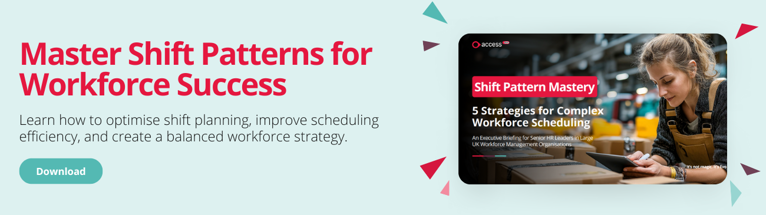
Modern employees expect quick access to information without relying on HR teams for every query. Integrated platforms typically include self-service portals where staff can download payslips, submit leave requests, and update personal details. Managing complex shift patterns can be a major challenge for large businesses. Download our Shift Pattern Mastery Guide to learn proven strategies for creating fair, efficient schedules that keep employees engaged and operations running smoothly.
This convenience improves engagement and reduces administrative bottlenecks. For large businesses with multiple sites, self-service tools also standardise processes, ensuring employees receive the same experience regardless of location.
Scalability for Growth
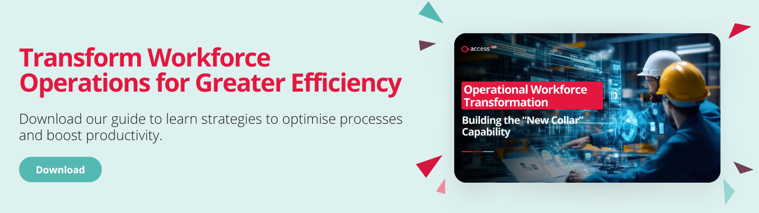
Large organisations rarely stay static. As headcount grows or new locations open, HR systems must adapt without causing disruption. Integrated solutions are often modular, allowing businesses to start with core HR and add payroll, recruitment, or workforce management later. If your organisation is planning to scale or restructure, you’ll need a clear roadmap for operational change. Our Operational Workforce Transformation Guide offers practical steps to align people, processes, and systems for sustainable growth.
This phased approach avoids the cost and complexity of replacing systems every time the organisation expands. It also ensures compliance features scale with the business, which is critical for companies operating across different regions or under evolving UK employment regulations.
These benefits only scratch the surface. If you want a deeper look at how integration improves accuracy, compliance, and employee experience, read our guide to the benefits of an integrated HR system.
Stand-alone vs integrated: Which is right for you?
Stand-alone HR systems can work well for smaller businesses or those with simple needs. They’re usually cheaper upfront and quicker to implement. But as complexity grows, limitations become clear.
Data silos, manual compliance checks, and fragmented reporting can slow you down and increase risk.
Integrated solutions take more planning initially, but they deliver long-term value through efficiency, accuracy, and scalability. They reduce admin, improve compliance, and create a seamless experience for employees. Modular platforms offer the best of both worlds: start small and expand over time, aligning investment with business priorities.
Real-world experience shows the difference integration makes. Phil Vickers from Charles Tyrwhitt shared:
“We went from having numerous different solutions, all with different log-ins, to bringing everything together under one umbrella. We instantly saw the benefit of this.”
You can read the full case study to find out more.

How to choose the right integrated HR and payroll system?
Selecting HR technology is a strategic decision that can shape how your organisation manages people for years to come. The right system should do more than meet today’s needs; it should support growth, compliance, and a positive employee experience.
Here are some key questions to guide your decision:
Does the system support UK compliance requirements?
Employment and payroll regulations in the UK are complex and change frequently. Your HR software should include built-in compliance features, such as automated tax calculations, GDPR data protection, and audit trails. This reduces the risk of costly errors and ensures you stay on the right side of the law without adding extra admin.
Can it scale as your organisation grows?
A system that works for 50 employees might struggle when you reach 500. Look for platforms that offer modular functionality, so you can start with core HR and add payroll, recruitment, or workforce management as your needs evolve. Scalability is about supporting multiple locations, diverse work patterns, and complex organisational structures.
How strong are the vendor’s implementation and support services?
Technology is only as good as the team behind it. Check whether the provider offers clear implementation timelines, dedicated support, and training resources. A good vendor will act as a partner, helping you configure the system to fit your processes and providing ongoing assistance as regulations and business needs change.
Choosing the wrong system can lead to hidden costs, compliance risks, and frustrated employees. For example, a stand-alone HR tool might seem cost-effective upfront, but if it doesn’t integrate with payroll or finance, you’ll spend hours reconciling data manually. On the other hand, an integrated platform can automate these processes, saving time and reducing errors. Choosing HR technology is a strategic decision. For practical tips on evaluating vendors, understanding compliance requirements, and planning implementation, read our guide to choosing HR software.
Ready to transform your HR and payroll processes?
Managing HR and payroll across multiple systems can slow growth, increase compliance risks, and create frustration for employees. Integrated HR and payroll solutions address these issues by providing a single source of truth, automating compliance checks, and delivering real-time insights that help HR teams focus on strategic priorities rather than manual tasks.
For large organisations, integration can improve data accuracy, enhance employee experience through self-service tools, and also scales effortlessly as your business grows. By consolidating systems, you reduce duplication, cut costs, and create a seamless experience for both HR teams and employees.
Access PeopleXD Evo is designed to deliver exactly that. With one platform for HR, payroll, and workforce management, it offers:
- UK compliance expertise built into every process
- Modular flexibility so you can start small and expand as needed
- Real-time analytics for smarter workforce planning
- Secure, cloud-based technology
Don’t let fragmented systems hold your business back.
Discover PeopleXD Evo and see how integration can transform your HR and payroll processes.
Transform your HR experience

HR software brochure
Find out how our HR software can help you achieve your business goals.

Schedule your demo
One of our HR software experts will be in touch to build a demo with the features you need to see.

Watch 4-min demo
Explore the features and benefits PeopleXD Evo offers in our 4 minute video.
More content you may be interested in

How can your business provide effective menopause support in the workplace?

How can on demand pay improve employee financial wellbeing and workforce stability?

Family & Work-Life Balance: How Large Employers Can Boost Retention & Wellbeing

How to attract employees with benefits

What different generations want from their job

How HR software reduces conflict in the workplace

How Can HR Balance AI Adoption with Compliance and Culture?

6 HR Trends and Priorities for HR Teams in 2026

Peer-to-peer recognition ideas that drive engagement in large businesses

Employee benefits by generation: how UK enterprises can personalise at scale