AU & NZ
 SG
SG
 MY
MY
 US
US
 IE
IE

 Access Assemble
How to recruit volunteers: volunteer recruitment strategies and best practice
Recruiting volunteers sounds simple on paper, but feels much harder in real life. People care deeply about causes, yet time is tight, expectations are high, and charities are competing for attention in all the same places.
So how do you get recruitment right, design roles that feel meaningful, and make people want to stay?
This guide brings together practical volunteer recruitment strategies and recruiting volunteers best practice, so you can build a programme that people want to be part of.

What volunteer recruitment really involves today
As Margaret Mead famously said:
“Never doubt that a small group of thoughtful, committed citizens can change the world; indeed, it’s the only thing that ever has.”
At its heart, volunteer recruitment is about helping those people find you.
And that doesn't just mean you have to shout the loudest. It’s about being clear, respectful and realistic. It includes designing meaningful opportunities, making it easy to apply and ensuring people feel welcomed from the moment they express interest.
Many charities are recruiting in a more complicated environment than just a few years ago. Changes in work patterns, expectations of flexibility and increased choice mean that charities need to be intentional about how they attract and support volunteers. Understanding the wider context can help you make sense of your own recruitment challenges, a common one being declining numbers of volunteers.
But there’s goodwill out there - and volunteer recruitment strategies work best when charities respect both heart and time.
Volunteers do not necessarily have the time; they just have the heart.
Recruiting volunteers best practice
Before choosing channels or campaigns, strong recruitment always starts with clear foundations.
Recruiting volunteers best practice means:
- Being clear about what help you need and why
- Designing roles that feel purposeful and achievable
- Being upfront about time commitment and support
- Making it easy to express interest
Vague roles create hesitation. Clear, engaging roles create confidence. That’s why attracting volunteers with engaging volunteer opportunities is such an important part of successful recruitment.
While the above isn't a “magic bullet” for recruiting volunteers, engaging opportunities are a great contributor to a combination of approaches that consistently pay off.
Common additional strategies include:
- Community-led recruitment, through supporters, beneficiaries and existing volunteers
- Digital volunteer recruitment, via websites, social media and online platforms
- Event-based recruitment, especially for short-term or seasonal roles
- Referral-led recruitment, where volunteers encourage others to get involved
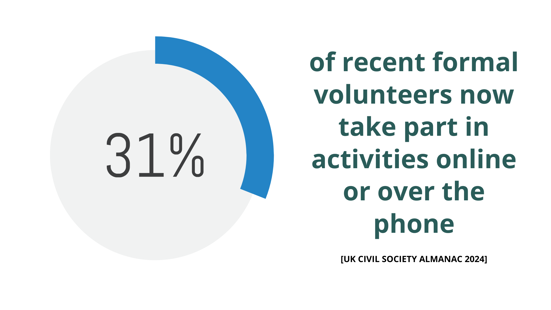
Digital recruitment now plays a central role for many organisations. If you’re looking to move more of your recruitment online, switching to digital volunteer recruitment explores what that shift looks like in practice.
Bringing those strategies to life
Every charity’s context is different. What works for a local community group might not be the best fit for a nationwide charity with multiple branches. The key is to align your recruitment strategies with your resources, your audience and the types of roles you’re offering.
Ask yourself:
- Are roles short-term or ongoing?
- Do people need specialist skills or not?
- Where do your potential volunteers already spend time?
- How will you support volunteers after they join?
- Do we have the tools we need to help, like volunteer management software?
There’s no prize for doing everything. Most charities see better results by focusing on fewer strategies and doing them well.
Success from the real world
Sussex Community NHS Trust invested in Access Assemble and focused on offering detailed role profiles and simplified applications. This helped volunteer role seekers feel confident in signing up, and helped the Trust achieve it's goal of increasing volunteer numbers from 300 to 500. It’s not about going fast, it’s about going smart.
"Volunteers can now easily find the right roles, and the application process is much quicker, which has made a huge difference.”
So, how do you follow their lead and write opportunities people want to apply for?
It's an important thing to get right; how you describe a role often determines whether someone applies or scrolls past. That’s why organisations that focus on well-crafted role descriptions — ones that emphasise impact and human connection — typically see better recruitment outcomes.
It’s worth exploring how your organisation describes your roles and how those descriptions help people imagine themselves contributing. Strong volunteer opportunities:
- Focus on impact, not just tasks
- Use friendly, straightforward language
- Show what volunteers will gain as well as what they’ll give
- Explain clearly what happens next after someone expresses interest
People want to feel valued and confident that their contribution matters. Role descriptions that reflect this won’t just inform people — they’ll inspire them. Understanding what motivates people is key to this, too. Using insight from your own community can make opportunities far more appealing, as explored in how to attract more volunteers using community feedback
“We’re recruiting around 100 wish makers this quarter. We’ve had over 90 applications in just four weeks, because Access Assemble makes it so easy for people to apply.”
Why onboarding is part of recruiting volunteers best practice
Onboarding is the welcome wagon that makes a real difference. Why? Because recruitment doesn’t end when someone signs up - onboarding sets the tone for the experience ahead.
Good onboarding:
- Helps people feel welcomed and prepared
- Provides clear information about what to expect
- Builds confidence and connection from day one
Organisations that invest in onboarding often find that volunteers stay connected longer and feel more confident recommending involvement to others. This volunteer onboarding software guide looks at how structured onboarding supports both recruitment and retention. Talking of retention ...
Retention fuels recruitment
Retaining volunteers isn’t just a nice bonus ... it’s actually a good recruitment strategy.
Volunteers who feel valued and engaged:
- Stay involved longer
- Bring fresh energy to projects
- Recommend volunteering to friends, family or colleagues
When volunteers feel part of a community, they often become some of your strongest recruiters. If you're interested, you can learn more on how to increase volunteer participation here.
Volunteer recruitment strategies: key takeaways
Volunteer recruitment success comes from clarity, intention and a welcoming experience.
- Strong volunteer recruitment strategies blend role design, outreach and easy pathways to involvement
- Best practice continues through onboarding and retention
- Volunteers who feel valued often become your best ambassadors
As a final thought: Treat recruitment as a conversation, not a campaign, and you’ll find people not just signing up — but staying, growing, and telling others how rewarding it can be.
Volunteer recruitment hub
There’s no one-size-fits-all way to recruit volunteers, but there are tried-and-tested approaches that make it easier. Browse our collection of guides, tips and best practice to help you attract the right volunteers.

Volunteer onboarding software guide

Marginal gains for Volunteer Managers

How to attract volunteers with engaging opportunities

Switching to digital volunteer recruitment

How to attract more volunteers using community feedback

How to navigate a decline in volunteering

How to increase volunteer participation
Small shifts. Easy wins. Explore marginal gains for Volunteer Managers.