AU & NZ
 SG
SG
 MY
MY
 US
US
 IE
IE


Culturally Competent Care – What Is It and Why Does It Matter?
Culturally competent care (or culturally appropriate care) is a care provider’s ability to understand, respect, and respond to the cultural and religious needs of individuals. It means recognising how beliefs, values, and traditions influence health and care preferences, and adapting support accordingly. This goes hand-in-hand with culturally appropriate care, and it goes beyond avoiding assumptions, but encompasses listening, asking, and tailoring care so people feel understood, valued, and respected in every aspect of their experience.
Cultural and religious needs shape many aspects of care, from how we communicate to the food we serve, personal routines, and even end-of-life wishes. These preferences often reflect a person’s background, beliefs, and identity.
Culture is more than ethnicity or nationality. It include language, family relationships, attitudes toward life and health, dietary choices, dress and modesty, spiritual practices, rituals around death, and more. It’s also important to remember that culture isn’t fixed. For example, someone living with dementia may reconnect with the traditions and language of their earlier years, even if they’ve spoken English for a long time. These considerations affect every aspect of care delivery, anything from communication and diet to personal care routines and end-of-life wishes.
Cultural awareness is a core component of person-centred care and is explicitly recognised in CQC's quality statements around equity in experiences and outcomes. When cultural needs are respected, people feel valued and maintain their dignity. It builds trust, improves outcomes, and helps prevent bias or discrimination. CQC guidance reminds us that culturally appropriate care isn’t about assumptions - it’s about asking, listening, and being curious about what matters most to each person.
Cultural and Religious Consideration
Understanding cultural and religious considerations is key to delivering truly person-centred care. From dietary needs and personal care routines to language and communication styles, these factors shape how people experience support and help them feel respected and understood.
Dietary Considerations
Food is deeply connected to culture, religion and personal identity. Many faiths and cultures have specific dietary requirements that must be respected without exception.
Common dietary considerations:
- Halal – Permitted foods in Islam. Meat must be slaughtered according to Islamic law. Pork and alcohol are prohibited.
- Kosher – Permitted foods in Judaism. They require specific preparation methods. Meat and dairy kept separate, and shellfish and pork prohibited.
- Vegetarianism and veganism – May be based on religious beliefs (such as Hinduism, Buddhism, Jainism) or ethical beliefs (ethical veganism is a protected characteristic under the Equality Act 2010).
- Fasting – Various religions observe fasting periods (Ramadan in Islam, Lent in Christianity, Yom Kippur in Judaism)
When it comes to food and nutrition, it’s important to respect individual preferences and requirements at every stage. Avoid assuming that someone will “make an exception” to their dietary needs, and make sure kitchen staff understand the risks of cross-contamination. If you’re supporting someone to cook, follow their requirements carefully. During fasting periods, work with healthcare professionals to plan hydration and medication timing. Finally, ask about food preparation preferences - some people may want separate utensils or have specific ways of preparing meals that are meaningful to them.
Personal Care and Modesty
Different cultures and religions have varying expectations around modesty, touch and personal care. These must be respected to maintain dignity and comfort.
What to consider:
- Gender preferences for personal care – Some people may prefer same-gender care workers for intimate care tasks.
- Modesty in dress – Some people may wish to remain covered during care, so ensure respect for items like hijabs, turbans or other religious garments.
- Hair care – Some religions prohibit cutting hair; others have specific requirements for covering or styling
- Hygiene practices – Different cultural practices around washing, such as preferring running water, using the left hand for certain tasks, or washing before prayers.
When providing personal care, always start by asking about preferences rather than making assumptions. Be honest and work together to find a solution that feels comfortable. Privacy is important regardless of the setting, and significant items such as religious or cultural symbols should be handled with care and respect. Try not to rush through routines as some practices may take extra time, and allowing for this shows dignity and understanding.
Communication and language
Effective communication is essential for person-centred care. Language barriers or different communication styles can significantly impact care quality.
What to consider:
- Language differences – People may speak limited English or prefer their first language, especially those with dementia.
- Family involvement – In some cultures, family members expect to be closely involved in care decisions.
- Communication styles – Direct versus indirect communication, eye contact expectations, use of formal versus informal address.
- Health literacy – Understanding of medical terminology may vary.
Clear communication is essential for good care. Use professional interpreters for important conversations rather than relying on family members, and try to learn a few key phrases in the person’s preferred language. Provide written information in accessible formats and translated where possible. Be mindful that some people may nod or agree out of politeness even if they don’t fully understand. Respect cultural norms around eye contact and personal space, and when the person wishes, involve family members in care planning—while ensuring their own voice remains central.
Religious observance and spiritual care
Supporting people to practice their faith is a fundamental aspect of person-centred care and is protected under the Human Rights Act 1998.
What to consider:
- Prayer times – For example, Muslims pray five times daily (Salah times), so timing care routines around these times shows respect.
- Places of worship – Supporting people to attend religious services or arranging visits from faith leaders.
- Religious festivals – Understanding and acknowledging important dates like Eid, Diwali, Hanukkah, Easter, Vaisakhi.
- Religious items – Respecting items like prayer mats, rosary beads, religious texts or symbols.
Dietary observances – Understanding fasting periods and their impact on care routines.
Supporting someone’s spiritual needs starts with asking about their religious practices and how you can help. Make sure care plans include details about observances, and assist people in accessing faith leaders or spiritual support when requested. Handle religious items with care, and always ask how they should be treated. Where possible, help people celebrate festivals with decorations, appropriate foods, or time for observance, and adjust routines to accommodate prayer times or other practices that matter to them.
End-of-Life Care
End-of-life wishes often have strong cultural and religious dimensions. Understanding and respecting these wishes provides comfort to both the person and their family.
What to consider:
- Last rites and prayers – Many religions have specific rituals; arrange faith leaders promptly when requested
- Preferred place of death – Some prefer to die at home; others may have specific wishes
- After-death rituals – Different faiths have different practices around washing and preparing the body
- Funeral customs – Timing, preferences for burial or cremation, specific rituals
End-of-life care requires sensitivity and respect. Begin by discussing wishes as part of advance care planning and document them clearly. When requested, arrange prompt access to faith leaders and give families privacy and time for rituals after death. Some may want to wash or prepare the body, so always check the care plan and speak with the family before assuming. Never rush these moments, and remember that practices vary widely, even within the same faith, so always ask rather than assume.

Staying Mindful, Avoiding Assumptions and Stereotypes
One of the biggest risks in cultural care is assuming someone’s needs based on their appearance, name, or background. These assumptions can lead to inappropriate care, unconscious bias, and a loss of trust. Every person is unique, so instead of guessing or assuming, ask, for example: "Do you have any dietary, cultural or religious requirements I should know about?"
There is no harm in making sure. Use care plans, update them regularly, and remember that practices vary even within the same community. If you’re unsure, be curious and learn from the person or your colleagues.
It’s okay to admit when you don’t know - asking is always better than assuming. And if someone faces discrimination, listen, take their concerns seriously, and support them in the way they choose.
Cultural competence is an important and ongoing journey. Through regular training in equality, diversity, and cultural awareness helps care teams feel confident and provide better support. Look for opportunities like e-learning modules on equality and diversity, cultural awareness workshops, dementia care training that includes cultural aspects, and reflective practice sessions where you can share real-life scenarios with colleagues.
If you would like to learn more, here are some helpful resources:
The Access Group Approach to Inclusive Care
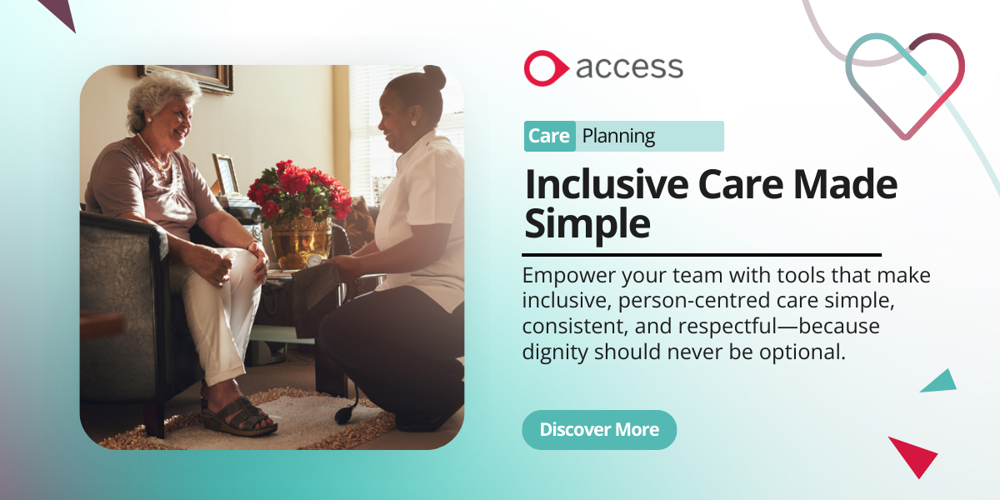
At The Access Group, we believe technology should make person-centred, inclusive care easier for everyone. Access Care Planning helps teams record cultural and religious preferences, set reminders for observances, cultural events, and festivals, and share this information across the care team so nothing important is missed. It also provides accessible communication tools and monitors whether cultural needs are being met.
When care workers approach diversity with openness and respect, they create an environment where every person feels valued and understood. Our software is here to support that vision, because inclusive care isn’t just good practice, it’s what dignity looks like.
Ready to make inclusive care simple and consistent? Discover how Access Care Planning Software can help you deliver outstanding, culturally appropriate care.